CONFERENCE HEADSHOT BOOTHS · DALLAS–FORT WORTH
Conference Headshot Booths: A DFW Event Planner’s Pre-Booking Checklist
A conference headshot booth can be the most talked-about activation at your event — or a forgettable line item nobody used. The difference usually comes down to ten questions you ask before you sign a vendor. Here they are, in the order you should ask them.
If you plan corporate events, association conferences, or trade shows in Dallas–Fort Worth, you’ve probably had a vendor pitch you a “headshot booth” before. Some are excellent. Some are a folding table, a ring light, and a photographer who’s never coached anyone in front of a camera before. Attendees can tell the difference in about eight seconds, and so can your post-event survey scores.
This page isn’t a sales pitch — it’s the questions we’d want an event planner to ask any vendor, including us, before booking a headshot booth for a conference. Answer these ten questions honestly for whichever vendor you’re evaluating, and you’ll know within a phone call whether they can actually deliver on event day.
Already deep into logistics planning — floor plan, timeline, staffing ratios? See The Conference Headshot Booth Guide for the full planning walkthrough. Ready to book? Go straight to the Conference Headshot Booth service page.
The 10-Question Vendor Checklist
Ask any vendor these ten questions before you sign. Jump to any section for the full explanation.
- 1. Does the photographer actively coach attendees, or just click the shutter?
- 2. What’s the realistic per-hour capacity for our attendee count?
- 3. How fast is retouching and delivery — and does it work without an app?
- 4. How do you keep the line from becoming a bottleneck?
- 5. What happens to attendee photos and data after the event?
- 6. Can the booth be branded for a sponsor, and how does that work?
- 7. What do you need from our venue and AV team?
- 8. What’s the backup plan if equipment fails or a photographer is sick?
- 9. What do we, the organizers, actually receive afterward?
- 10. Do we need a headshot booth, full event photography, or both?
How Many Attendees Can a Booth Actually Handle?
This is the single most common planning mistake: booking one photographer for a booth and expecting to get 500 attendees through in an afternoon. Here’s what’s realistic, based on a coached (not rushed) session that still produces a usable headshot.
| Configuration | Attendees per hour | Best for |
|---|---|---|
| Single photographer | Up to 40 | Smaller conferences, breakout-level events, 1-day meetings |
| Dual-photographer station | Approximately 70–80 | Mid-size conferences, expo-hall activations |
| Multiple parallel stations | Scales with station count | 1,000+ attendee conferences, multi-day trade shows |
If your vendor quotes a number well outside these ranges — either much faster with real coaching, or claims they can cover 500 people in two hours with one photographer — ask exactly what gets cut to hit that pace. Usually it’s the coaching, the retouching, or both.
1. Coaching: The Difference Between a Photo and a Usable Headshot
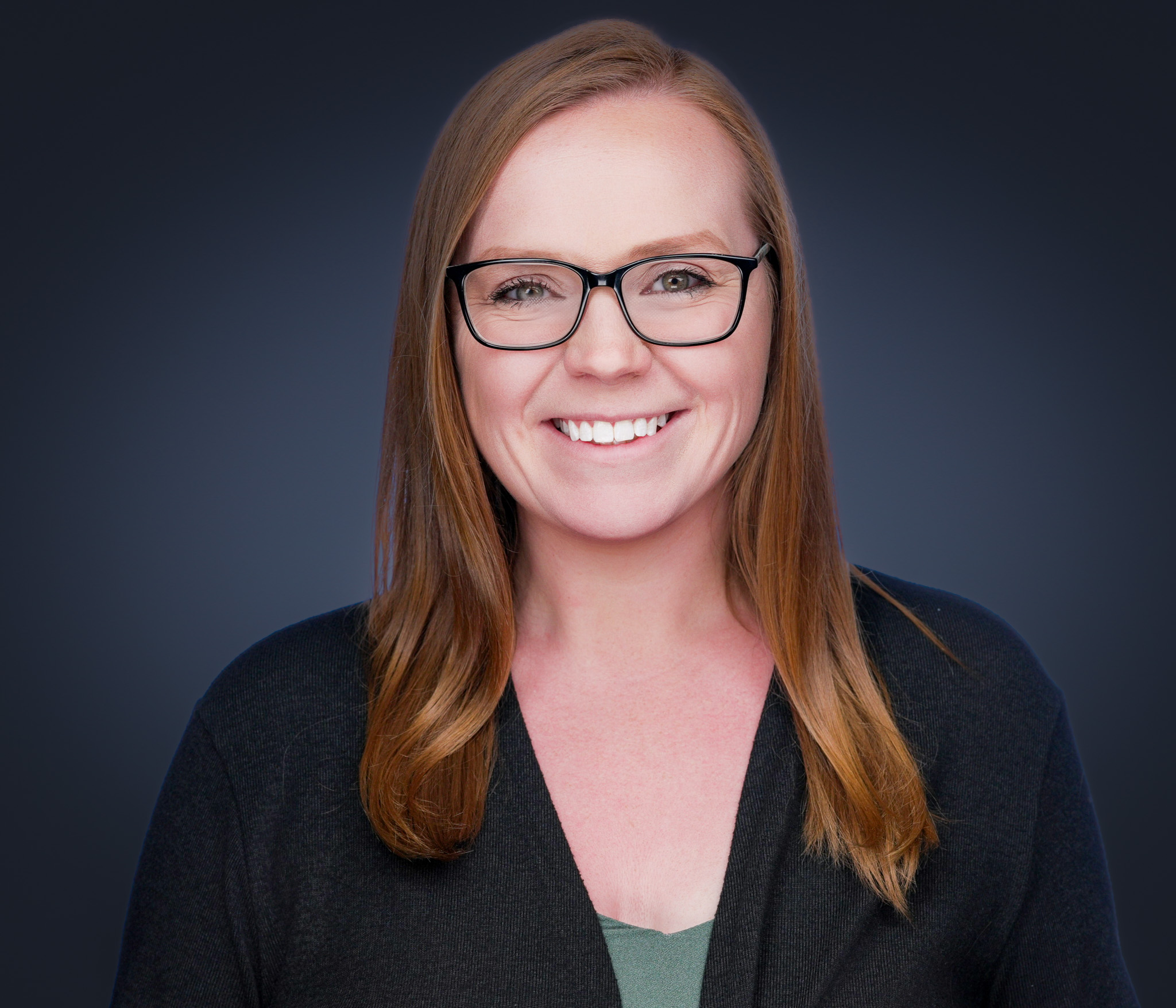
Most attendees walking up to a conference booth haven’t had a professional headshot taken in years, and they don’t know what to do with their hands, shoulders, or expression. A photographer who just says “smile” and clicks the shutter will get a technically fine, unusable photo about half the time — stiff posture, awkward angle, a smile that reads as forced.
Ask the vendor directly: does the photographer give live posing direction — chin position, shoulder angle, weight shift — and take more than one frame per attendee? This is the core of what we call The 2MM Method™: a short, structured coaching sequence built to work in the 60–90 seconds you actually have at a conference booth, not a 30-minute studio session compressed into a rush.
3. Retouching and Delivery: What “Same-Day” Actually Means
“Same-day delivery” means different things to different vendors. Ask specifically: is retouching done on-site during the event, or does “same day” mean a link that arrives at 11pm after everyone’s gone home? Ask whether every image is individually color-corrected and skin-retouched, or run through a single batch filter applied to all photos regardless of lighting or skin tone.
Also ask how attendees receive the file. A delivery method that requires downloading a separate app, creating an account, or waiting for an email that lands in spam creates friction that kills the “wow” moment you’re paying for. The best setups let attendees walk away with the photo on their phone before they’ve left the booth area.
4. Line Management: Keeping the Booth From Becoming a Bottleneck
A headshot booth with a 45-minute line during your networking break stops being a perk and starts being a complaint in your post-event survey. Ask how the vendor handles high-traffic windows: do they offer pre-booked time slots through your conference app or a scheduling link, a queue-management system with a text-when-ready alert, or is it strictly walk-up?
Pre-booked scheduling works best for association meetings and multi-day conferences where attendees plan their day in advance. Walk-up works better for expo-hall activations where the booth is meant to draw foot traffic. Tell your vendor which one describes your event, and ask how they’d staff it differently.
5. Privacy and Attendee Data: A Question Planners Often Forget to Ask
If your booth captures attendee names or emails for photo delivery, that’s attendee data your organization is responsible for — even if a vendor collected it. Before booking, ask: where is that contact information stored, who has access to it, is it deleted after a defined retention period, and will the vendor use attendee photos or contact details for their own marketing without separate consent?
A reasonable vendor should be able to answer this in one sentence. If they can’t, or if the answer is vague, put it in writing in your service agreement rather than assuming it’s covered. This matters more for association and healthcare-adjacent conferences than for a casual company holiday party, but it’s worth asking every time.
6. Sponsor Integration: Turning the Booth Into a Sellable Line Item
If you’re weighing whether to fold the booth into your base registration fee or offer it as a sponsorship package, ask your vendor what branding they can realistically support: backdrop and signage with a sponsor logo, a branded photo overlay or watermark on delivered images, and a sponsor mention in the delivery email or text.
A well-branded booth is one of the easier sponsorship assets to sell because it’s visible, interactive, and every attendee who uses it becomes a small piece of earned media when they update their LinkedIn photo. Ask for examples of sponsor-branded activations the vendor has actually done — not just a mockup.

7. Venue Requirements: What the Booth Needs From Your Space
A professional booth needs more physical footprint than most planners initially budget for — typically an 8×10 to 10×12 foot area to fit the backdrop, lighting stands, a queue lane, and a delivery/check-in point without attendees bottlenecking into a walkway. Confirm with your venue and vendor: is there a dedicated power drop nearby, or does the vendor run on battery power? Is the ceiling height sufficient for light stands? Will the location interfere with fire egress paths or ADA-required clearances?
A good vendor will ask for your floor plan and do a pre-event coordination call with your venue’s AV or production team rather than showing up and figuring it out on-site.
8. Backup and Contingency: What Happens If Something Goes Wrong
Equipment fails. People get sick. Ask directly: does the vendor bring backup camera bodies and lighting to the event, not just spare batteries and cables? If the lead photographer can’t make it, is there a second team member who can step in without you finding out the morning of your conference? For multi-day events, is there a plan if a piece of equipment needs replacing overnight?
This is one of the least glamorous questions on this list and one of the most important. A vendor with a real answer here has done this enough times to have been burned once and fixed it.
9. Organizer Deliverables: What You Get, Beyond What Attendees Get
Attendees walk away with their headshot. You, as the organizer, should walk away with more than that. Ask whether the vendor provides a full master gallery of every attendee photographed, delivered to your team within a defined window (48 hours is a reasonable standard) — useful for your post-event recap, next year’s marketing materials, and sponsor renewal conversations. Ask whether attendance/participation counts are tracked, which is useful data if you’re pitching the booth to a sponsor again next year.
10. Headshot Booth vs. Full Event Photography: Do You Need Both?
A headshot booth and full conference photography coverage solve different problems, and a lot of planners book one when they actually need the other — or both. A headshot booth is a fixed station: attendees come to it, get coached, and leave with a portrait. Full event photography is roaming coverage of your keynote, breakout sessions, networking, and sponsor activations — the story of the event itself, not individual portraits.
Most conference organizers who book one eventually book both, because a headshot booth gives you attendee-level content and event photography gives you brand-level content — recap videos, next year’s marketing, and sponsor proof-of-value all draw from the roaming coverage rather than individual headshots.
Printable Vendor Evaluation Sheet
Print this section and fill it in for each vendor you’re evaluating.
| Vendor name: | ____________________________ |
| Coaches attendees (not just shutter-click)? | ☐ Yes ☐ No |
| Quoted per-hour capacity for our attendee count: | ____________________________ |
| Same-day, on-site retouching confirmed? | ☐ Yes ☐ No |
| Delivery method (app / QR / AirDrop / email): | ____________________________ |
| Line-management plan (pre-book / queue / walk-up): | ____________________________ |
| Attendee data retention policy confirmed in writing? | ☐ Yes ☐ No |
| Sponsor branding available? | ☐ Yes ☐ No |
| Power / footprint / AV coordination call scheduled? | ☐ Yes ☐ No |
| Backup equipment and backup staff confirmed? | ☐ Yes ☐ No |
| Master gallery delivery window: | ____________________________ |
Frequently Asked Questions
How far in advance should we book a conference headshot booth?
Four to eight weeks out is comfortable for most DFW dates. Peak conference season (spring and fall) and popular venues like the Gaylord Texan or the convention centers in Dallas and Fort Worth book up faster — six or more weeks ahead is safer for those.
Can one photographer really coach every attendee and stay on schedule?
Yes, at a realistic pace — up to about 40 attendees per hour with real coaching. If your event needs faster throughput, the fix is adding a second photographer station, not skipping the coaching.
Do you travel outside Dallas–Fort Worth for conferences?
Yes — nationwide conference coverage, with travel and lodging billed at cost. See Nationwide Headshots & Event Photography for details.
Can the booth be bundled with full event photography coverage?
Yes — most conference organizers book both together, with one vendor covering the headshot booth and roaming coverage of keynote, breakouts, and networking. See Conference Photography.
How is pricing structured for a conference booth?
Pricing depends on conference length, expected attendee count, number of photographer stations, branding customization, and travel. Request a quote with your event details for a proposal, typically within one business day.
Where can I find the full logistics and floor-plan guide?
See The Conference Headshot Booth Guide for the deep walkthrough on floor plans, timelines, and staffing ratios. This page is meant as your pre-booking vendor checklist, not a duplicate of that guide.
Ready to Evaluate a Vendor — or Ready to Book?
Use the checklist above with any vendor you’re considering. When you’re ready to talk specifics — attendee count, dates, and venue — we’ll size a proposal around your event, not a generic package.

Leave a Reply