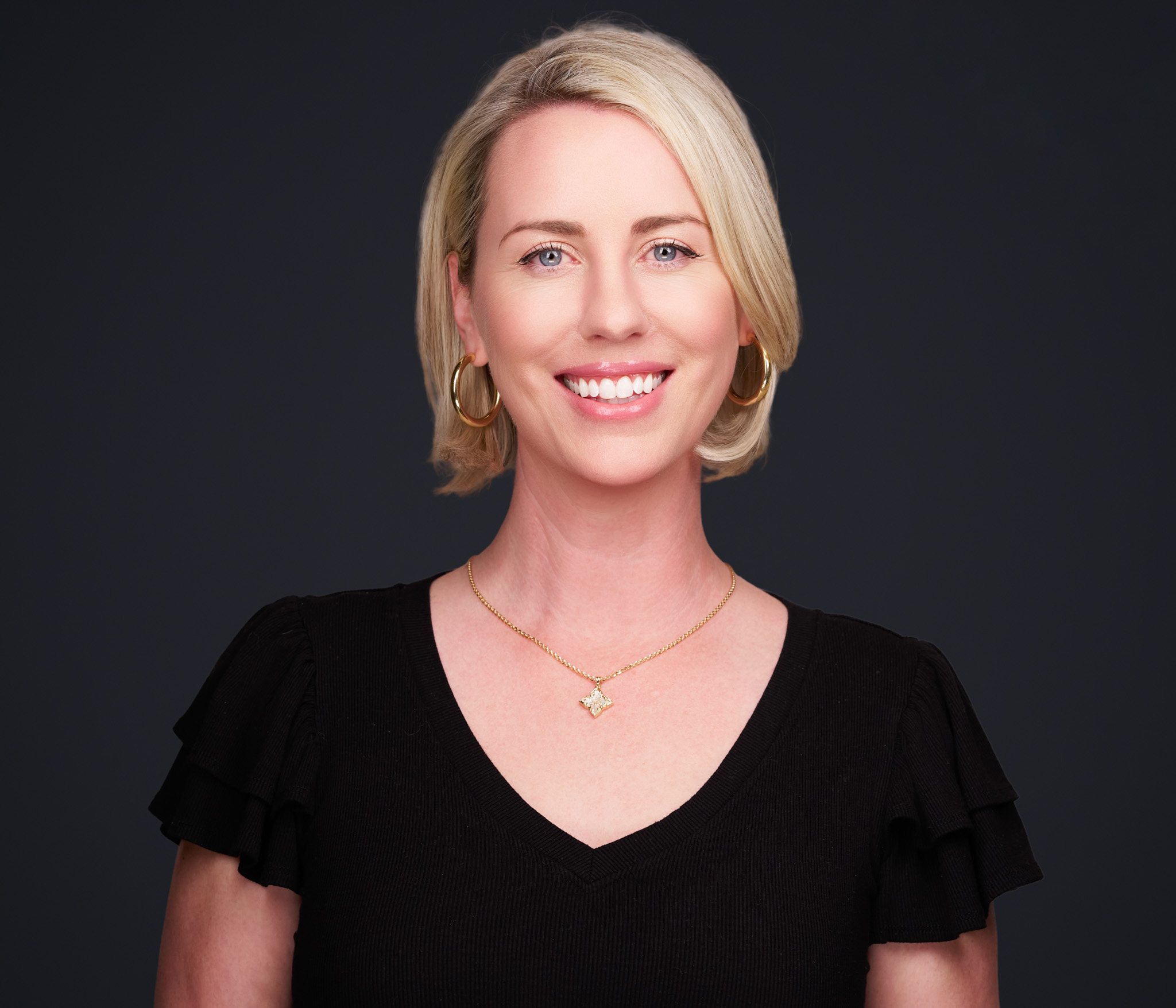
Have you ever looked at a CEO’s headshot and immediately thought, “I’d trust this person”? Or, on the flip side, scrolled past a corporate portrait that made someone look stiff, unapproachable, or just… off? That difference isn’t accidental — and it isn’t just about looks. It’s about how the photograph is made.
For executives, the headshot is a leadership communication tool. It shows up on the company website, in investor materials, in media profiles, at speaking events across the DFW metroplex and beyond. And it has to do something genuinely difficult: project the authority of someone at the top of their field while still feeling like a real human being that people want to work with.
Getting that balance right is the whole game.
What “Authority” Actually Looks Like in a Portrait
Authority in a headshot isn’t a stern jaw and crossed arms. That’s a caricature of leadership — and it doesn’t connect with the people who matter most: clients, investors, media, potential hires.
Real authority in a portrait comes from a few specific things: a composed posture that doesn’t read as defensive, direct eye contact that says “I’m confident and present,” and an expression that communicates clarity — not forced warmth, not manufactured seriousness, but the kind of settled confidence that comes from someone who knows exactly who they are and what they’re doing.
After more than 18 years of photographing professionals — including more than 30,000 people photographed across Dallas-Fort Worth — I can tell you that the difference between a portrait that commands respect and one that looks stiff is almost always in how the subject was guided during the session. It’s not natural for most people to know how to hold themselves in front of a camera. That’s what a skilled photographer is there to solve.
The difference between a portrait that commands respect and one that looks stiff is almost always in how the subject was guided — not how they look.
At the studio in North Richland Hills, we spend real time before the camera ever comes out. We talk through what you need the image to communicate, who’s going to be looking at it, and what impression you want to leave. That conversation shapes everything — from the lighting setup to the background choice to the moment we actually capture.
The Approachability Problem (And Why It’s Not What You Think)
A lot of executives worry that a formal, high-end headshot will make them look cold or unapproachable. And some portraits do exactly that — usually when the photographer didn’t take the time to relax the subject, or when the styling choices leaned too far toward “corporate uniform” and not enough toward the actual person.
Approachability doesn’t mean smiling broadly or looking casual. It means you look like someone a real person would want to talk to — someone your ideal client, investor, or team member would feel comfortable reaching out to. That’s a much more nuanced quality, and it comes through in tiny details: a slight relaxation in the shoulders, the right amount of warmth in the eyes, a background that doesn’t feel institutional.
The goal is a portrait that could run in the Wall Street Journal or on your company’s “About” page with equal credibility. Authoritative and human, at the same time.
Southlake and Grapevine CEOs: Your Image Is Already Working For or Against You
In competitive markets like Southlake, Grapevine, and the broader DFW business community, your digital first impression is often the only impression you get. A prospective client or partner in the metroplex who finds your profile online will size you up before any conversation happens — and your headshot is the first thing that tells them whether to take the next step.
A high-end studio portrait sends a clear signal: this person takes their professional image seriously, which means they probably take their work seriously too. It’s a small investment with a long shelf life, and for executives at the senior level, it often pays back many times over in credibility alone.
Book your CEO portrait session →
Frequently Asked Questions — CEO Headshots and Executive Portraits
What makes a CEO headshot look authoritative without being cold?
The balance between authority and approachability comes from three things working together: composed posture that’s open rather than closed, direct eye contact with a settled rather than intense expression, and studio lighting that adds depth without harsh shadows. Most of this is achieved through active expression coaching during the session — it’s not something the subject has to figure out on their own. A skilled photographer guides you to the right expression rather than just hoping it appears.
How do you get a natural expression in a CEO portrait?
Through conversation, not performance. The session starts with a real discussion about what you need the image to communicate — your industry, your audience, the impression you want to leave. During the actual shoot, the expression coaching is ongoing and collaborative: small adjustments in posture, moments of humor to reset a tense expression, real-time feedback so you can feel what’s working. You’re not acting. You’re just showing up, and the environment is built to make that easier.
What should a CEO wear for their headshot?
Dress at the level your clients and stakeholders expect to see you. For most CEOs, that means a well-fitted suit or blazer in a classic professional color — navy, charcoal, or dark grey. Bring two or three options and let the session determine which works best against the lighting and background setup. Avoid busy patterns or anything that competes visually with your face. The wardrobe should reinforce the authority of the portrait, not distract from it.
How is a CEO headshot different from a standard professional headshot?
A CEO headshot is built for a wider range of uses and a higher-stakes audience. Standard professional headshots are often optimized for a single platform. A CEO portrait needs to work on the company website, in investor materials, in media coverage, on speaker bios, and on LinkedIn — each of which has different visual requirements and a different audience making a judgment. The session is designed to produce a library of images versatile enough to serve all of those contexts, not just one.
Do you work with executives who hate being photographed?
That’s most executives. Feeling self-conscious in front of a camera has nothing to do with how senior or polished someone is in every other professional context — it’s almost universal. The studio process is specifically designed for people who aren’t comfortable being photographed: the pre-session conversation, the private environment, the expression coaching, and the collaborative pacing all work together to produce a natural result from someone who started the session convinced they’d hate every photo.
Where is the studio located, and how far is it from Southlake and Grapevine?
The studio is in North Richland Hills, Texas — typically 15–20 minutes from Southlake, Grapevine, Keller, and Colleyville, and about 20–30 minutes from Fort Worth and most of the mid-cities area. Exact address and parking details are provided at booking. Sessions are private and by appointment only.
📍 2mm Headshots and Event Photography — North Richland Hills, TX | Sessions by appointment only.
Leave a Reply