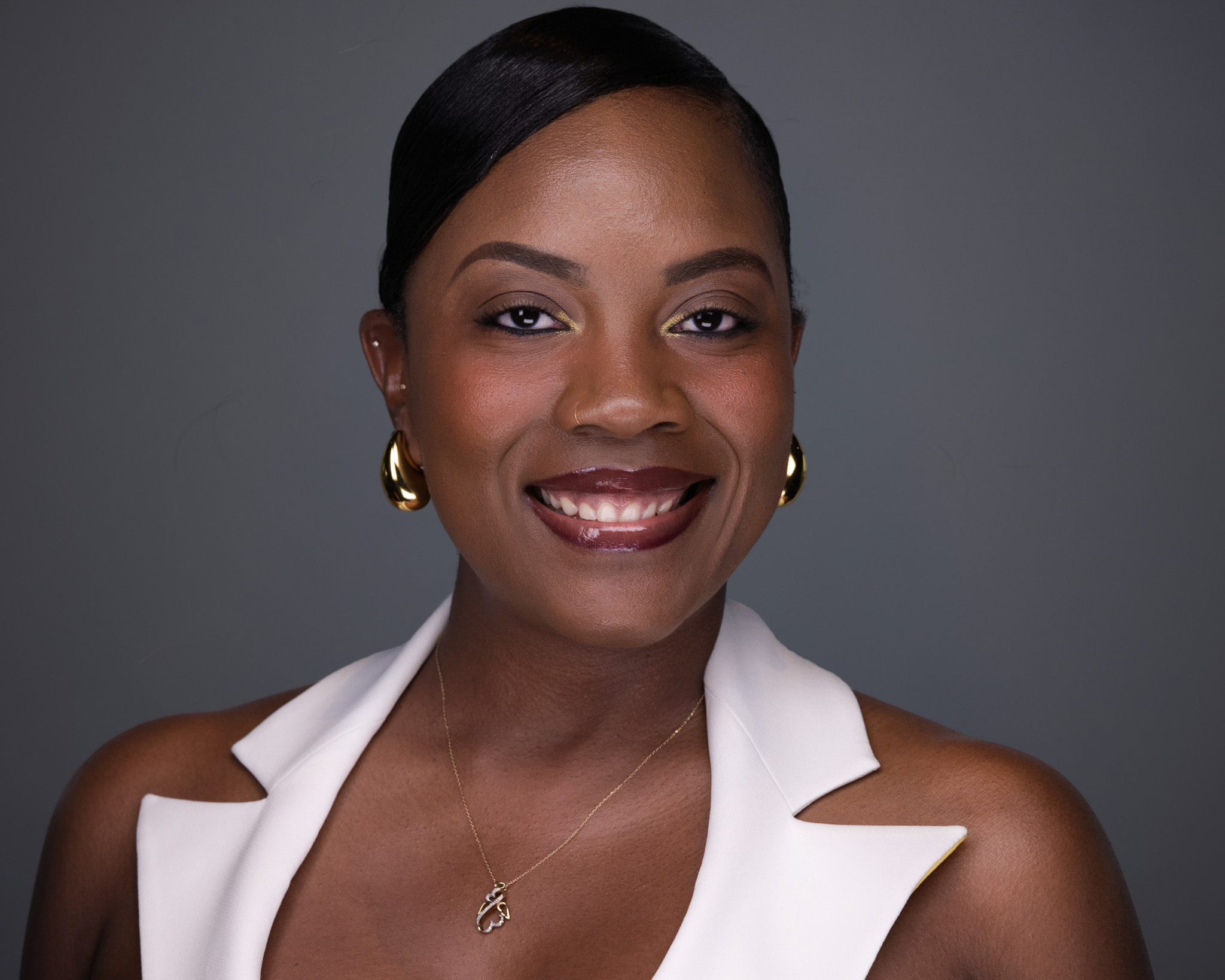
How CEOs, physicians, attorneys, and senior leaders build the professional image that opens doors before they ever say a word. Photography is one chapter. Here is the whole book.
Everything in this guide maps back to eight pillars. Together, they’re what separate an executive with a great photo from an executive with a complete, working brand. Each pillar is explored in its own section further down the page.
PILLAR 1
Identity
Knowing what you actually want your brand to communicate, before choosing any tactic. Covered in “Why Personal Branding Has Become a Leadership Requirement,” below.
PILLAR 2
Positioning
How you’re distinct from peers in your field. Covered in “The Executive Brand Is a System, Not a Photograph,” below.
PILLAR 3
Executive Image
The photography, in context. Covered in “The Photograph Everything Else Points Back To,” below.
PILLAR 4
Visual Brand
Wardrobe, posture, and how you carry yourself in person. Covered in “Presence in the Room,” below.
PILLAR 5
Messaging
What you say about your own expertise, and how clearly. Covered in “Building Authority,” below.
PILLAR 6
Digital Presence
LinkedIn, your website, your bio, your board profile. Covered in “Your Digital Front Door,” below.
PILLAR 7
Authority
Visibility beyond your own company — speaking, media, networking. Covered in “Visibility Beyond the Company,” below.
PILLAR 8
Consistency
Keeping all seven pillars aligned as your role changes. Covered in “The Brand Audit,” below.
The Executive Personal Brand Assessment
Eight questions. Two minutes. A clear read on where your executive brand is strong and where it’s quietly costing you opportunities — plus your Executive Brand Score.
1. Does your current headshot reflect your current role and seniority?
2. Is your LinkedIn profile complete and current?
3. Does your executive biography communicate your expertise clearly?
4. Is your visual brand — photo, wardrobe style, tone — consistent across platforms?
5. If someone Googled your name today, would the results build trust?
6. Do your website and LinkedIn present the same message about who you are?
7. If you speak, present, or appear publicly, are those photos current?
8. Overall, does your online presence reflect your actual executive level?
Why Personal Branding Has Become a Leadership Requirement
Twenty years ago, an executive's image was mostly decided for them. A company handled the press photo, the annual report portrait, and little else. Everything in between — how a leader was actually perceived day to day — happened in person, in boardrooms and hallways, out of public view.
That's no longer how trust gets built. Before a client takes a call, before a board considers a candidate, before a reporter returns a pitch, before a recruiter forwards a résumé — someone has already looked. LinkedIn, a company bio page, a search result, a conference program. The verdict about whether you're credible, current, and worth the meeting is frequently reached before the meeting exists.
Executive personal branding is the deliberate management of that verdict. It isn't a marketing gimmick and it isn't self-promotion for its own sake — it's the professional discipline of making sure your image, online presence, and public materials accurately represent the leader you actually are. Done well, it removes friction from every interaction that depends on being taken seriously quickly: a first client meeting, a board nomination, a media request, a promotion conversation, a recruiter's first look at your LinkedIn profile.
The leaders who take this seriously aren't vain. They understand that competence doesn't announce itself. A brilliant CFO with an eight-year-old headshot and an inconsistent LinkedIn profile is working harder than necessary to be believed. A managing partner who hasn't touched their bio since it was written is quietly telling prospective clients that little else has changed at the firm either — even when that isn't true.
This guide walks through what a complete executive brand actually includes, why photography is only one part of it, and how to build — or repair — yours without turning it into a second job.
The Six-Second Verdict: How First Impressions Actually Work
People form an opinion about a face almost immediately, and that opinion is stubborn. Once someone decides — consciously or not — that you look competent, warm, senior, or trustworthy, they tend to interpret everything that follows through that lens. It works in reverse too. A washed-out, poorly lit, or outdated photo doesn't just look unprofessional; it primes the viewer to expect less, before you've said a word.
This isn't unique to photography, but photography is where it's easiest to see. The same psychology governs a handshake, a stage entrance, a voice on a podcast intro, and the two seconds someone spends scanning your LinkedIn profile before deciding whether to accept your connection request or open your message.
There are really two first impressions now, not one. The in-person impression — posture, wardrobe, handshake, eye contact, the way you carry a room — still matters enormously and hasn't gone anywhere. But it's frequently preceded by a digital first impression that happens without you in the room at all: someone searching your name before a meeting, a board member reviewing your bio before a vote, a journalist skimming your LinkedIn before deciding whether you're worth quoting.
The digital impression is arguably higher stakes, because you don't get to manage it in real time. You can't read the room and adjust. Whatever is sitting on your LinkedIn profile, your firm's website, or the top of a search result is doing all the work, unsupervised, for however long it takes someone to form an opinion and move on.
That's the case for treating your professional image as infrastructure rather than an occasional errand — not to look artificially polished (overproduced, insincere photography reads just as poorly as a bad one, especially to sophisticated audiences like boards and investors who can spot a stock-photo veneer immediately), but to be accurate at a higher resolution: an image, a bio, and a presence that represent your actual level of competence and confidence, consistently, everywhere someone might look.
The Executive Brand Is a System, Not a Photograph
Ask most executives what "personal branding" means and they'll point to a headshot. That's understandable — photography is the most visible piece of the puzzle — but it's one chapter in a longer book. A complete executive brand functions like a system: twelve touchpoints that all say the same thing about who you are, whether someone encounters you in a boardroom, on a stage, or through a search result at eleven at night.
1. Professional Headshots
The single most-viewed asset in your brand — used everywhere at once.
2. Brand Photography
Environmental and lifestyle images that show context, not just a face.
3. Executive Wardrobe
Calibrated to your role and your industry — not maximal formality.
4. Body Language & Communication
Posture, eye contact, and pacing that read as confident, not performed.
5. LinkedIn Presence
The most-checked platform before any meeting happens.
6. Personal Website
A single hub for speaking, media, and contact — not dependent on a platform.
7. Executive Bio & Board Profile
Usually the first thing a journalist or organizer reads after your name.
8. Media & Podcast Readiness
Assets and talking points ready before a reporter calls, not after.
9. Speaking & Conferences
Visibility that compounds — one talk leads to the next invitation.
10. Networking
Small, consistent impressions across every room your name comes up in.
11. Employer Branding
Internal leadership visibility that matches your external presence.
12. Consistency
The thread that ties all eleven pieces into one believable image.
Building Authority: Thought Leadership and Professional Storytelling
Authority isn't the same as seniority. Plenty of senior leaders have neither a public reputation nor much influence outside their own organization, while some far less senior professionals have built outsized credibility simply by being visibly good at explaining what they know.
Thought leadership, in practice, is less about grand ambition and more about a habit: sharing what you actually know, in your own words, often enough that people start to associate your name with a specific kind of expertise. A litigator who regularly breaks down recent case outcomes for a general audience becomes the lawyer reporters call for comment. A CFO who writes clearly about what's actually driving margin pressure in their industry becomes the name that comes up when a board is looking for outside perspective.
This starts with a clear point of view — a personal mission, in the language of branding, though it doesn't need to sound grand. It's simply an honest answer to: what do you want to be known for, and why should anyone care what you think about it? Vague positioning ("I help businesses grow") doesn't stick. Specific positioning ("I help mid-market manufacturers fix the pricing mistakes that are quietly eating their margin") does.
From there, storytelling matters more than credentials. A bio that lists degrees and titles is forgettable. A bio, LinkedIn post, or interview answer that explains a real problem you solved, in plain language, is not. Executives who build genuine authority tend to talk less about themselves and more about the problems they understand — which, paradoxically, is what makes people trust them with the bigger problems later.
None of this requires becoming a public figure. It requires consistency: a handful of well-considered opinions, expressed clearly and repeatedly, across the platforms where your audience already spends time.
Presence in the Room: Wardrobe, Body Language, and Communication
Executive presence gets talked about as if it's an innate quality some people have and others don't. In practice, most of what reads as "presence" is a set of learnable habits: how you dress, how you stand, how you use your voice, and how comfortable you appear being looked at.
Wardrobe is the most literal of these, and the easiest to get wrong in both directions. Dressing beneath your role reads as uncertainty about your own seniority. Dressing in a way that doesn't match your industry's actual norms — an overly formal suit in a room full of casual founders, or the reverse in a white-shoe law firm — signals that you don't understand your own environment. The goal isn't maximal formality; it's calibrated consistency between what you wear, what your role actually is, and what the room expects. For a full breakdown of what to wear for photography, meetings, and public appearances by industry, see the Professional Wardrobe Blueprint™.
Body language does a surprising amount of the talking before you speak. Posture, eye contact, how you occupy space when you enter a room or step onto a stage — these register with an audience faster than your opening sentence does. Most of this isn't about performing confidence; it's about removing the small nervous habits — crossed arms, a shrinking posture, avoiding eye contact — that unconsciously read as discomfort, even when the underlying substance is strong.
Communication ties the two together. Executives with strong presence tend to speak in complete, unhurried sentences, pause instead of filling silence with filler words, and match their tone to the size of the room rather than the size of their nerves. None of this is about becoming a different person. It's about removing the static between the competent, capable person you actually are and the impression you're making in the room.
The Photograph Everything Else Points Back To
Of everything in an executive brand, the photograph does the most concentrated work. It shows up everywhere at once — LinkedIn, your firm's leadership page, press mentions, conference programs, board materials, your email signature — and it's usually the first thing anyone actually looks at, before they read a word of your bio.
That's why a bad or outdated headshot causes disproportionate damage. It's not that people consciously think "this photo is old, so this person is out of touch." It's subtler: an inconsistent or dated image creates a small, nagging mismatch between the polished professional someone expects and the slightly-off image in front of them — and that mismatch compounds across every platform where the photo appears.
The instinct many executives have is to treat a headshot as a five-minute afterthought — grab a photo at a company event, crop a vacation picture, or sit for two minutes in front of a step-and-repeat. The problem isn't the camera. It's that almost nobody is naturally comfortable being photographed, and without real coaching, that discomfort shows up in the final image as a stiff jaw, a forced smile, or eyes that look anywhere but confident.
This is the specific problem the 2mm Method™ was built to solve. Rather than pointing a camera and hoping for the best, every session is built around real-time expression coaching — small, deliberate adjustments to posture, gaze, and expression that turn a tense, camera-conscious executive into someone who looks like themselves on their best day. After more than 30,000 portraits and more than 18 years behind the camera, the pattern is consistent: almost everyone who says "I hate having my photo taken" walks out with an image they're genuinely glad exists, often for the first time.
A strong executive portrait should do three things at once: look unmistakably like you, look current, and look like it belongs next to the most senior people in your field. That's a different bar than "looks nice." It's the bar for an image that has to work as hard as a board portrait, a press byline photo, and a LinkedIn profile picture — often on the same day.
For a deeper breakdown of what separates a genuinely effective executive portrait from a generic one — lighting, backdrop, wardrobe, and expression — see the Executive Image Blueprint™, and for the coaching philosophy behind every session, see The 2mm Method™. If you're ready to book, start with Executive Headshots.
Your Digital Front Door: LinkedIn, Websites, Bios, and Board Profiles
If someone is going to research you before a meeting, LinkedIn is almost always where they start. That makes it the single highest-leverage piece of digital real estate most executives own — and the most commonly neglected. A profile photo that doesn't match your current appearance, a headline that just repeats your job title, and an About section that hasn't been touched in years all quietly undercut a platform that, done well, does real business development work on its own.
The fix isn't complicated, but it does take deliberate attention: a current, professionally coached photo; a headline that says what you actually do for people rather than just your title; and an About section written in first person that explains the specific problems you solve, not a résumé restated in paragraph form. For a complete, section-by-section walkthrough, see the Ultimate LinkedIn Profile Guide.
A personal or firm bio does similar work in a different format — usually the first thing a journalist, conference organizer, or prospective client reads after your name. The strongest executive bios open with what you actually do and for whom, not a chronological résumé. Credentials belong further down, as support for the claim, not as the claim itself.
Board and leadership profiles carry their own weight, particularly for executives being considered for governance roles, IPO materials, or investor decks. These typically demand a more formal, consistent visual standard than a LinkedIn photo — matched lighting and crop across an entire leadership bench, so a board page or annual report doesn't look assembled from a dozen unrelated photo shoots over several years.
A personal website is optional for most executives, but increasingly common for those doing regular speaking, media, or advisory work — a single place to point a journalist, a podcast host, or a conference organizer that isn't dependent on a single social platform's algorithm or format. Across all of it, the same discipline applies: whatever appears about you online should look like it was made by, and represents, the same person.
Visibility Beyond the Company: Speaking, Media, and Networking
Internal competence eventually needs an external audience if it's going to compound into real authority. Speaking engagements, media appearances, podcast interviews, and active networking are how that happens — and they all depend on the same underlying brand infrastructure covered so far. A conference organizer researching a potential speaker looks at the same LinkedIn profile and headshot everyone else does.
Speaking opportunities compound. A single well-delivered talk at an industry conference generates content, introduces you to a room of prospective clients or peers, and often leads directly to the next invitation. Conference organizers also frequently need current, professional headshots and photography for programs and marketing materials — which is part of why events themselves have become a meaningful branding touchpoint of their own. For organizations weighing whether to add a professional photography activation to their own event, see the Conference Headshot Booth Guide.
Media readiness is a related discipline: having a current headshot, a tight bio, and two or three clear talking points ready before a journalist calls, rather than scrambling to assemble them under deadline. Reporters move fast and rarely wait — the executives who get quoted repeatedly are usually the ones who make it easy.
Networking, in this context, isn't really separate from any of the above. It's the accumulation of small, consistent impressions across every room, panel, and platform where your name comes up — which is exactly why consistency, more than any single high-production moment, is what actually builds a durable professional reputation.
Branding Inside the Building: Employer Brand, Sales Credibility, and Business Development
Personal branding isn't only an external exercise aimed at clients, media, and prospective employers. It does real work inside an organization too.
Employer branding and internal leadership visibility matter more than most executives assume. Employees form opinions about leadership the same way clients do — partly through direct interaction, and partly through what they see: a leadership page with current, professional photography signals an organization that takes itself seriously. A page with mismatched, outdated, or missing photos sends the opposite message, whether or not anyone intends it to. For companies managing this across a full leadership bench, see Team Headshots and Board of Directors Photography.
Sales credibility runs on the same mechanics as any other first impression. A business development lead with a strong, professional LinkedIn presence closes more warm-intro meetings than one with an inconsistent or outdated profile, simply because prospects do less unconscious discounting before the call even starts. This compounds across a sales team: a company where every business development professional has a current, on-brand photo looks more credible collectively than the sum of its individual profiles would suggest.
Business development more broadly benefits from the same authority-building work covered earlier — executives who are visibly knowledgeable in their field, through content, speaking, or media, tend to generate inbound interest that a purely outbound sales process can't replicate. A well-known name still has to close the deal, but it starts several steps ahead of a cold one.
Five Mistakes That Quietly Undermine an Executive Brand
Most executive branding problems aren't dramatic. They're small inconsistencies that accumulate quietly over years, until a leader who is genuinely excellent at their job is nonetheless working uphill against an image that undersells them.
Mistake
Why It Costs More Than It Looks Like
Using an outdated or inconsistent headshot across platforms
Creates a small, repeated mismatch between who you are and who you appear to be — undermining trust before a conversation starts.
Treating LinkedIn as a static résumé instead of an active profile
A profile that hasn't been touched in years quietly signals the same thing about your career.
Letting wardrobe and visual style drift from your actual role
Reads as either underselling your seniority or misreading the room you're actually in.
Waiting for a "big" opportunity to build visibility
Authority compounds from small, consistent visibility, not from a single high-production moment.
Treating the brand as finished after one photo shoot
Roles, industries, and platforms all change — a brand built once and never revisited slowly drifts out of date.
Generic LinkedIn headline (just a job title)
The headline is prime real estate — a plain title wastes it. It should say what you do and for whom, not just where you work.
No personal website or landing page
LinkedIn and a company bio page are rented space. A personal site is the one place your full story lives on your own terms.
Never checking your own Google search results
Most people never look. Executives who do are often surprised by what ranks first — and it's rarely their strongest material.
No thought leadership of any kind
Even one article, interview, or panel appearance a year does more for credibility than another polished but silent profile.
Vague or overly broad positioning
"Experienced leader" says nothing. Specific expertise, told clearly, is what makes an executive memorable and referable.
None of these require a dramatic fix. They require noticing them — which is usually the harder part — and then addressing them deliberately, starting with whichever one is doing the most damage right now.
The Brand Audit: How Often to Update, and What to Check
A professional brand isn't something you finish. Roles change, industries shift, platforms redesign themselves, and the photo that looked current three years ago quietly stops looking current at some point nobody notices in the moment.
A useful discipline: a brief audit every 12 to 18 months, or immediately after any major change — a promotion, a new role, a career pivot, or simply the realization that your headshot predates a haircut you no longer have. The audit doesn't need to be complicated. It's the same six questions that make up the assessment earlier on this page: is your headshot current, is your visual presence consistent across platforms, do you have a repeatable style, is your LinkedIn presence up to date, have you built any visibility in the last year, and does your internal leadership presence match your external one.
Photography specifically tends to need refreshing more often than executives expect — not because a good portrait ages quickly in quality, but because it needs to look like you, now. The rest of the system — bio, LinkedIn About section, wardrobe approach — moves more slowly, but benefits from the same periodic review rather than being set once and forgotten. A short annual pass, treated as routine as renewing a professional license, keeps the whole system from drifting out of alignment with where your career actually is.
Build Your Executive Brand: A 90-Day Action Plan
Building or repairing an executive brand doesn't require a dramatic overhaul. Spread across a season, it's a manageable sequence:
Weeks 1–2 — Take the assessment above and audit every platform where your name currently appears: LinkedIn, your company bio, any press mentions, your firm's leadership page. Note every mismatch.
Weeks 3–4 — Book a professional photography session built around real coaching, not a rushed studio visit. This becomes the visual anchor for everything else.
Weeks 5–6 — Rewrite your LinkedIn headline and About section, and update your photo across every platform simultaneously so nothing is left inconsistent.
Weeks 7–8 — Update your company bio and, if applicable, your board or leadership page profile to match.
Weeks 9–10 — Identify one visibility opportunity — a podcast, a conference, a piece of published writing — and commit to it.
Weeks 11–12 — Set a recurring reminder for a brand audit in 12 to 18 months, so the work doesn't quietly go stale again.
The Roadmap in Detail
Week 1 — Take the Executive Personal Brand Assessment above, audit every platform where your name appears (LinkedIn, company bio, press mentions, leadership page), and book your professional headshot session.
Week 2 — Rewrite your LinkedIn headline and About section; draft or revise your executive biography so it communicates expertise, not just title history.
Week 3 — Review and refresh your executive wardrobe (see the Professional Wardrobe Blueprint™); confirm your website and LinkedIn tell the same story about who you are.
Month 2 — Update your personal website and board/leadership profile with your new photography and bio; identify one thought-leadership outlet (article, podcast, panel) to pursue.
Month 3 — Pursue one speaking or media opportunity; confirm your professional network reflects your current positioning; run the assessment again and compare your Executive Brand Score.
Frequently Asked Questions
What is executive personal branding?
It's the deliberate management of how you're perceived professionally — your photography, wardrobe, LinkedIn presence, bio, and public visibility — so that everywhere someone encounters you, in person or online, they get an accurate, consistent impression of your competence and credibility.
Why does personal branding matter for executives who already have a strong track record?
Because competence doesn't announce itself fast enough. A board member, client, or reporter forms an impression of you before they know your track record — often from a photo and a LinkedIn profile alone. A strong brand makes sure that first impression matches the substance behind it, instead of undercutting it.
How important is LinkedIn, really?
For most executives, it's the single most-checked piece of digital real estate they own. It's frequently the first thing a prospective client, recruiter, or journalist looks at before deciding whether to engage — which makes an outdated photo or stagnant profile a surprisingly high-cost oversight.
What role does professional photography play in personal branding?
It's one essential chapter, not the whole book — but it's the most visible one. Your photo appears everywhere your brand does, usually before anything else is read, which is why it deserves real attention even though it's only one piece of a larger system.
How should executives dress for photography and public appearances?
In a way that's calibrated to your actual role and industry, not maximal formality. See the Professional Wardrobe Blueprint™ for a full breakdown by industry and setting.
How often should an executive update their brand?
Every 12 to 18 months as routine maintenance, and immediately after any major change — a promotion, a new role, a career pivot, or a significant change in appearance.
Does personal branding actually help with promotions and recruiting?
Yes, in both directions. Internally, decision-makers weigh visible leadership presence alongside performance. Externally, recruiters and hiring committees form early impressions from LinkedIn and public materials before a resume gets a close read.
Where should an executive start if this feels overwhelming?
With the assessment near the top of this page, and one photography session built around real coaching. Those two steps alone resolve the most visible gaps for most executives.
Photography is one link in a longer chain. Here's how the pieces of an executive brand connect and reinforce one another — a weak link anywhere in the chain undercuts the strong ones.
Executive Brand
↓
Professional Headshot
↓
LinkedIn
↓
Personal Website
↓
Executive Bio
↓
Thought Leadership
↓
Speaking
↓
Media
↓
Social Media
↓
Email Signature
↓
Company Profile
Recommended graphic: a designed vertical flow diagram of this same sequence, for use in place of the text version above.
How Executive Branding Differs by Profession
The eight pillars above stay the same for everyone. How you apply them shifts by field.
CEOs
Positioning centers on vision and steady authority — imagery and bio should read as someone the board, the market, and the team all trust in a crisis.
Attorneys
Trust and precision lead. Conservative wardrobe, direct eye contact, and a bio built around case results and specialization outperform generic polish.
Physicians
Warmth paired with competence. Patients are choosing someone to trust with their health — approachable expression matters as much as credentials.
Financial Advisors
Stability and discretion. Clients are trusting someone with their future — consistent, understated branding builds more confidence than flash.
Realtors
Approachability plus local authority. Warm, on-brand imagery across every yard sign, postcard, and profile builds instant name recognition.
Consultants
You are the product. Thought leadership and a sharply defined point of view matter more here than for almost any other profession on this list.
Entrepreneurs
Founder and company brand often blend together — the personal brand needs to build credibility fast, often before the company has a track record.
Corporate Executives
Brand alignment matters most — your image should reinforce the company's brand standards while still reading as unmistakably you.