You’ve put it off for three years. Your LinkedIn photo is a cropped picture from a wedding, your company bio still uses the shot from your last job, and every time someone mentions “headshot day,” you find a reason to be in a meeting. If that sounds familiar, you’re not alone, and you’re not the problem. Most professionals who say they “hate being photographed” have simply never been shown how to be photographed well.
After 20+ years behind the camera and more than 30,000 people photographed, I can tell you the person who walks into my studio saying “I’m terrible at this” is one of the most common clients I see. Executives, attorneys, financial advisors, consultants, and business owners who command a room every day suddenly freeze when a lens points at them. This article is for you. It explains why that happens, what a good session actually looks like, and how professional headshots built around expression coaching turn a dreaded appointment into something you might even enjoy.
Why Confident Professionals Freeze in Front of the Camera
The camera isn’t a person. In a meeting, you get constant feedback: a nod, a laugh, a question. That feedback is what lets your natural presence show up. In front of a camera, all of that disappears. You’re left guessing what your face is doing, and when people guess, they tend to do one of three things:
- The polite smile. A mouth-only smile that never reaches the eyes. It reads as forced in the first glance.
- The serious stare. An attempt to look “professional” that lands as cold, tired, or unapproachable.
- The brace. Shoulders up, chin pulled back, jaw tight. The body is literally preparing for something unpleasant.
None of these reflect who you are when you’re at your best with a client or your team. They’re reactions to an uncomfortable situation, and they’re exactly why so many people look at their photos and conclude they’re “not photogenic.”
“Not Photogenic” Is Usually a Coaching Problem
When someone tells me they aren’t photogenic, what they usually mean is that every photographer they’ve worked with said “okay, smile” and pressed the shutter. That’s not a session; that’s a snapshot. A great headshot is a directed performance, the same way a great keynote is rehearsed or a great closing argument is prepared. Nobody expects you to walk on stage cold. You shouldn’t be expected to walk in front of a camera cold either.
The 2mm Impression: Why the Small Details Matter So Much
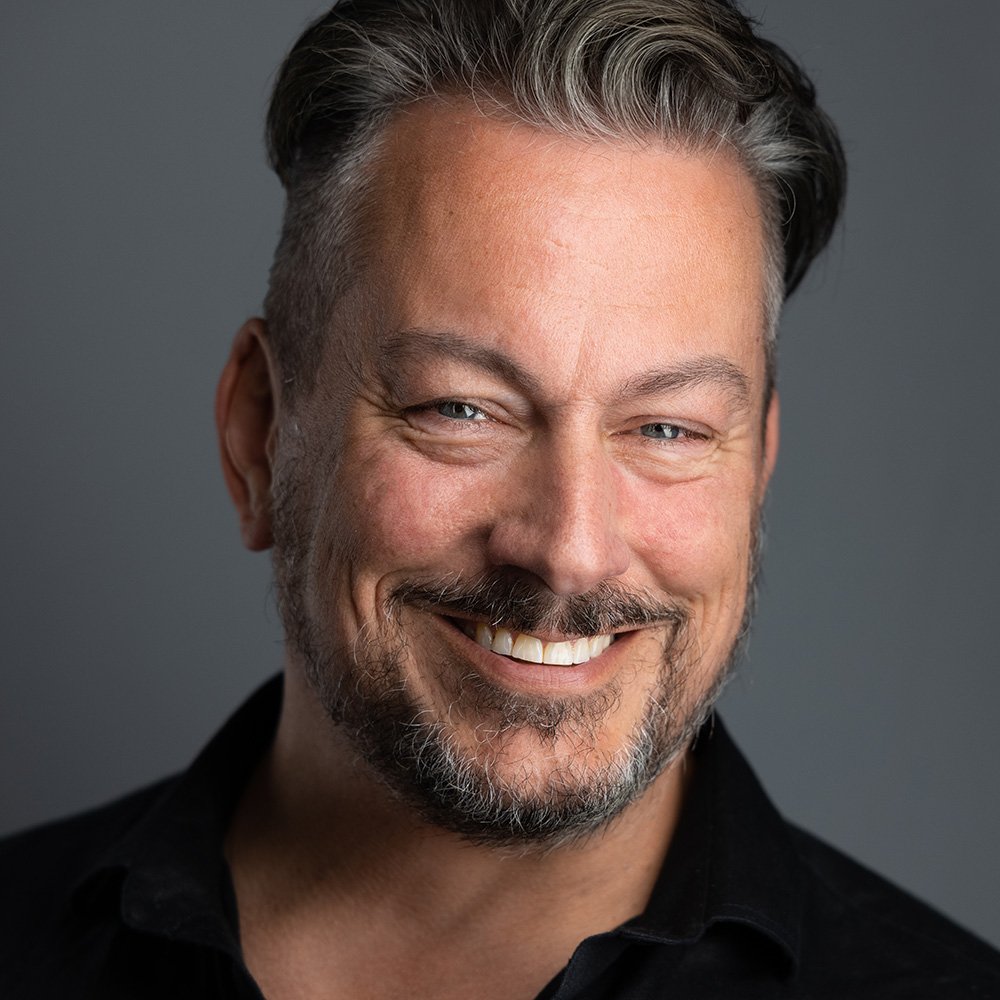
The name 2mm Headshots comes from a simple idea: the difference between a forgettable photo and a compelling one often comes down to about two millimeters. A slight lift at the corners of the eyes. A fractional shift in the jaw. A small change in how the head angles toward the lens. Those tiny adjustments are what people respond to, usually in a blink, before they’ve read a single word of your profile.
That blink-of-an-eye impression is why your headshot matters more than you might want it to. A prospective client scrolling a firm’s attorney page, a board member reviewing a leadership slide, or a recruiter skimming candidates on LinkedIn will form a judgment about warmth and competence almost instantly. You can’t control whether they form that impression. You can control what they’re looking at when they do.
The good news for camera-shy professionals: because the difference lives in such small details, it’s very coachable. You don’t need to become a different person. You just need someone who can see those two millimeters and guide you to them.
What Expression Coaching Actually Looks Like
Facial expression coaching is the core of The 2mm Method, and it’s the biggest difference between a session with us and a typical “stand here, smile” experience. Here’s what that means in practice.
We Start With Conversation, Not the Camera
Before anything gets photographed, we talk. What do you do? Who needs to trust you? Is this headshot going on a law firm bio, a speaker one-sheet, a company leadership page, or LinkedIn? A CFO and a residential realtor need very different expressions, and the right one depends on the audience you’re trying to reach.
Real-Time Direction, One Small Adjustment at a Time
Once we start shooting, you’re never left guessing. I’ll give you specific, simple direction: where to place your weight, how to angle your shoulders, what to do with your chin, and how to bring life into your eyes. Most people are surprised by how small the adjustments are, and how big the difference looks on the screen.
You See the Images as We Go
For people who dread photos, the unknown is the worst part. During a session, we review images together so you can see exactly what’s working. The moment you see a frame where you actually look like yourself, confident and approachable, the tension usually drops away. The best images of the session almost always come after that moment.
Executive Presence, Not Just a Nice Smile
For senior leaders, we layer in Executive Presence coaching. The goal isn’t simply to look pleasant. It’s to look like the person who should be leading the room: grounded, credible, and composed, with enough warmth that people want to work with you. That balance is hard to find on your own, and it’s exactly what a coached session is designed to deliver.
Common Fears (and What Actually Happens)
“I’ll be stiff and awkward.”
Almost everyone is for the first few minutes. That’s expected and planned for. The early frames are a warm-up, and the session is paced so you settle in before the images that matter most.
“I don’t like my smile.”
Then we’ll find the expression you do like. Not every great headshot is a big smile. Many of the strongest executive portraits use a subtle, closed-mouth expression with engaged eyes. We’ll try options and you’ll see them in real time.
“I don’t know what to wear.”
We help with that before you arrive. Wardrobe guidance is part of preparation, and our professional headshot preparation guide walks you through colors, fit, and what to bring so you aren’t second-guessing the morning of.
“It’ll take forever and I’m too busy.”
Sessions are structured around busy schedules, and same-day headshot options are available for clients who need images quickly. For many professionals, the session takes less time than the meetings they’ve been using to avoid it.
Where Camera-Shy Professionals See the Biggest Payoff
Once you have professional headshots you’re actually proud of, you’ll use them far more than you expect. The places they tend to matter most:
- LinkedIn. Your profile photo shows up next to every comment, message, and post. A strong LinkedIn headshot quietly works for you every day.
- Company leadership and bio pages. Clients and candidates visit these pages to decide whether they trust your organization. A consistent, polished set of executive headshots signals that the team takes its reputation seriously.
- Speaking, media, and board materials. Event organizers, journalists, and board secretaries will ask for a high-resolution photo, usually on short notice. Having one ready removes a scramble every time.
- Your Google Business Profile and website. For business owners and independent professionals, a real photo of you builds trust before the first call.
How to Prepare If You’re Nervous
A little preparation goes a long way toward a relaxed session:
- Book a time when you’re at your best. If you’re sharper in the morning, don’t squeeze your session in after a full day of meetings.
- Sleep and hydrate the day before. It shows in the eyes more than any retouching can fix.
- Bring two or three wardrobe options. Having choices takes pressure off, and we’ll help you decide what reads best on camera.
- Tell us what you dislike about past photos. That’s useful information. It tells us exactly what to coach around.
- Know the main use. A headshot for a law firm bio and one for a speaker reel aren’t the same. Knowing the destination lets us direct the right expression.
Why DFW Professionals Choose a Coached Session
Dallas–Fort Worth is a competitive market. Whether you’re a partner in Uptown, a VP at a corporate campus in Las Colinas, a wealth manager in Southlake, or a business owner in North Richland Hills, the people evaluating you have plenty of alternatives. Your headshot is often the first thing they see. Our NRH studio is centrally located for the Metroplex, and for teams, we bring the same coached experience on location so everyone on your leadership page looks like they belong to the same organization.
The difference our clients point to most often isn’t the lighting or the backdrop. It’s that they finally got a photo that looks like them on a good day, which is the version of you that your clients, colleagues, and future employers deserve to see.
Frequently Asked Questions
I’ve never liked a single photo of myself. Can a professional headshot really be different?
Yes. Most people who feel that way have never had real direction. With facial expression coaching and live image review, clients regularly leave with photos they’re comfortable using everywhere, often for the first time.
How much do professional headshots cost?
Investment depends on the type of session, the number of looks, and whether you’re booking for one person or a team. You can review current options on our pricing page or reach out and we’ll recommend the right fit.
How long does a session take?
It depends on the session type and how many looks you want, but sessions are paced so you have time to warm up. Rushing is the enemy of a natural expression, so we build that time in.
How quickly will I get my images?
Turnaround depends on the session you choose, and same-day headshots are available when you need images fast for a launch, announcement, or new role.
Do I need to wear makeup?
Wear what you’d normally wear for an important meeting. The aim is to look like the best version of your everyday self, not someone else. Our preparation guide covers grooming tips for every comfort level.
How often should I update my headshot?
A good rule of thumb is every two to three years, or sooner if your appearance, role, or brand changes significantly. If people are surprised when they meet you in person, it’s time.
Ready to Finally Get a Headshot You Like?
If you’ve been avoiding the camera, you don’t need to become a natural model. You just need a session built around coaching instead of guesswork. Take a look at our professional headshots options, and when you’re ready, reserve your session or get in touch with any questions. We’ll take it from there, two millimeters at a time.
Leave a Reply